The Hook
From side project to funded startup
I co-founded a consumer app that acquired 3,000+ users spending less than €0.50 per user, raised €87K, and scaled to 20+ collaborators. We built 70+ active communities generating 1,000+ posts to welcome the first users with relevant content from the get go.
The Opportunity
The tools were terrible, but the community was incredible
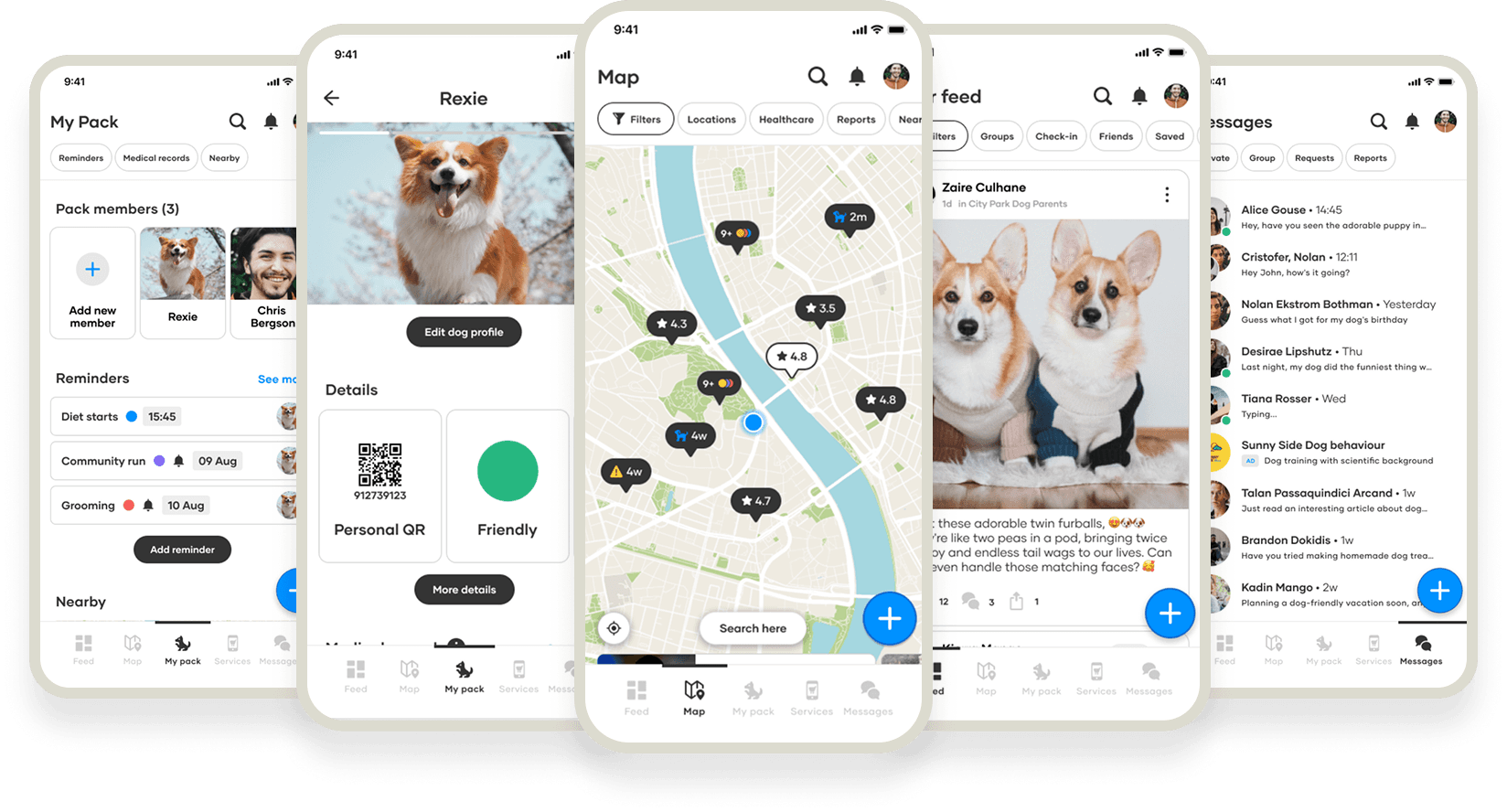
When our family's dog went missing, I discovered something surprising and deeply supportive: my Facebook post got shared 500+ timesin a day by strangers. Dog parents were desperate for a better solution—they just didn't have one.
The market validated this at scale. Pet ownership in the EU jumped from 36% to 50% of households since 2018. Hungary alone saw pet spending increase 33% in five years. Yet the market was completely fragmented—pet parents juggled 5+ apps for community, services, health tracking, and local info. No one owned the social layer.
Pain points
The Approach
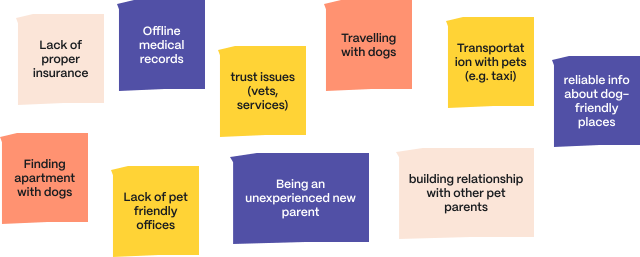
Three research insights shaped everything
Trust beats features
Hardware trackers existed, but parents didn't trust them—batteries die, collars get forgotten. A community-based backup felt safer.
Fragmentation was the real pain
Pet parents wanted one place that understood their pet and connected them locally. The "5 apps, no data connection" problem was universal.
The community already existed
It was just trapped in Facebook groups with broken algorithms. We didn't need to create demand—we needed to capture it.
MVP scoping was brutal. We cut 80% of our feature wishlist and shipped three things: lost/found dog reports, hazard alerts, and a curated database of dog-friendly places. Everything else could wait.
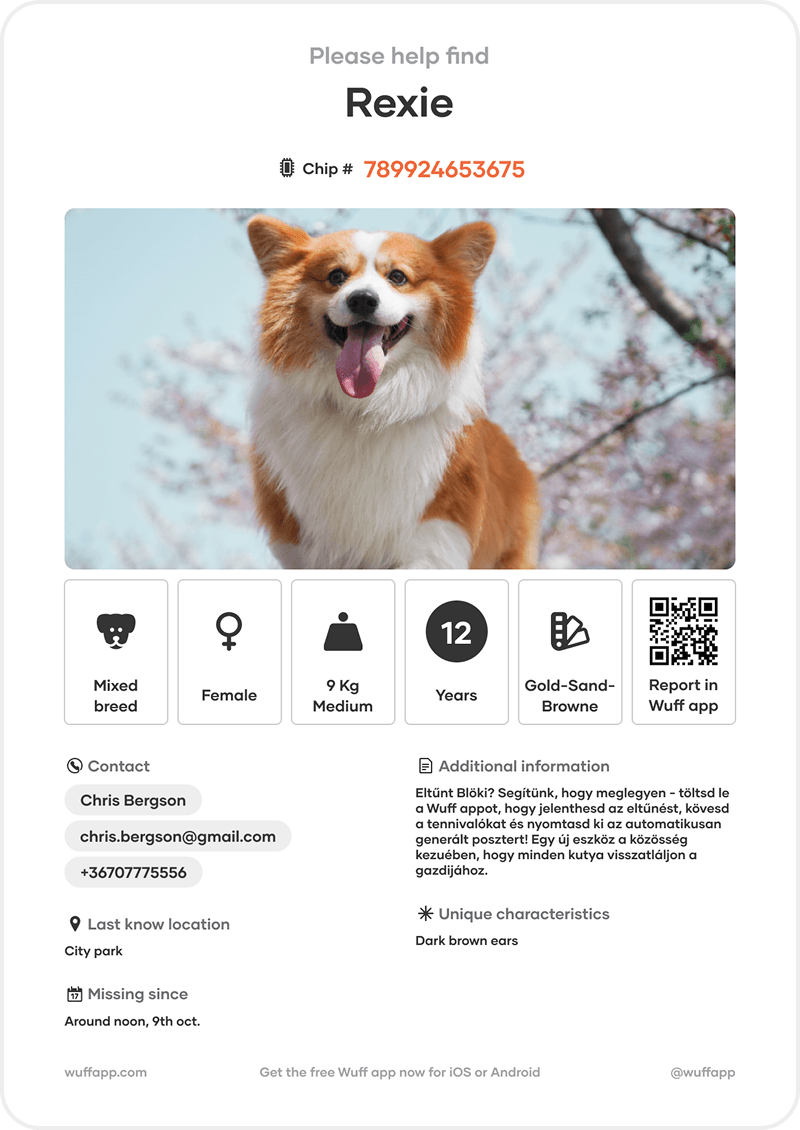
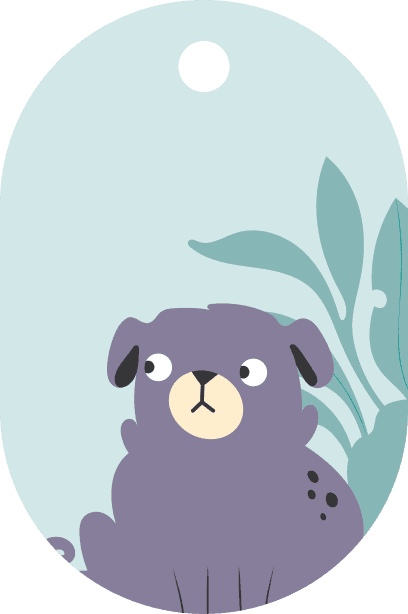
Brand as strategic moat.We partnered with award-winning illustrator Fruzsina Fölföldi to create the "12 Dogs of Wuff"—a distinctive illustrative system inspired by Duolingo. This wasn't just aesthetics. A memorable brand meant organic sharing, lower CAC, and users forgiving early bugs because the app felt lovable.
The Build
From scrappy V1 to funded V2
V1 — Scrappy Launch: Ship fast, learn faster
We ran out of funding before hitting stability. The app was buggy. Key features broke. But we launched anyway.
Results: Surprising validation
3,000 users with minimal ad spend. <€0.50 CAC through organic sharing. 85%+ retention at 9 months—users kept the app as insurance for "what if my dog gets lost"
V2 — Real Resources: Scaling the team to 20+
We raised €87K from angel investors, structured around milestones. I scaled to: 2 product designers, UX researcher, graphic designer, illustrator, 7 content creators, 2 engineers, QA, PM, and marketing.
Design Leadership: Built design from scratch
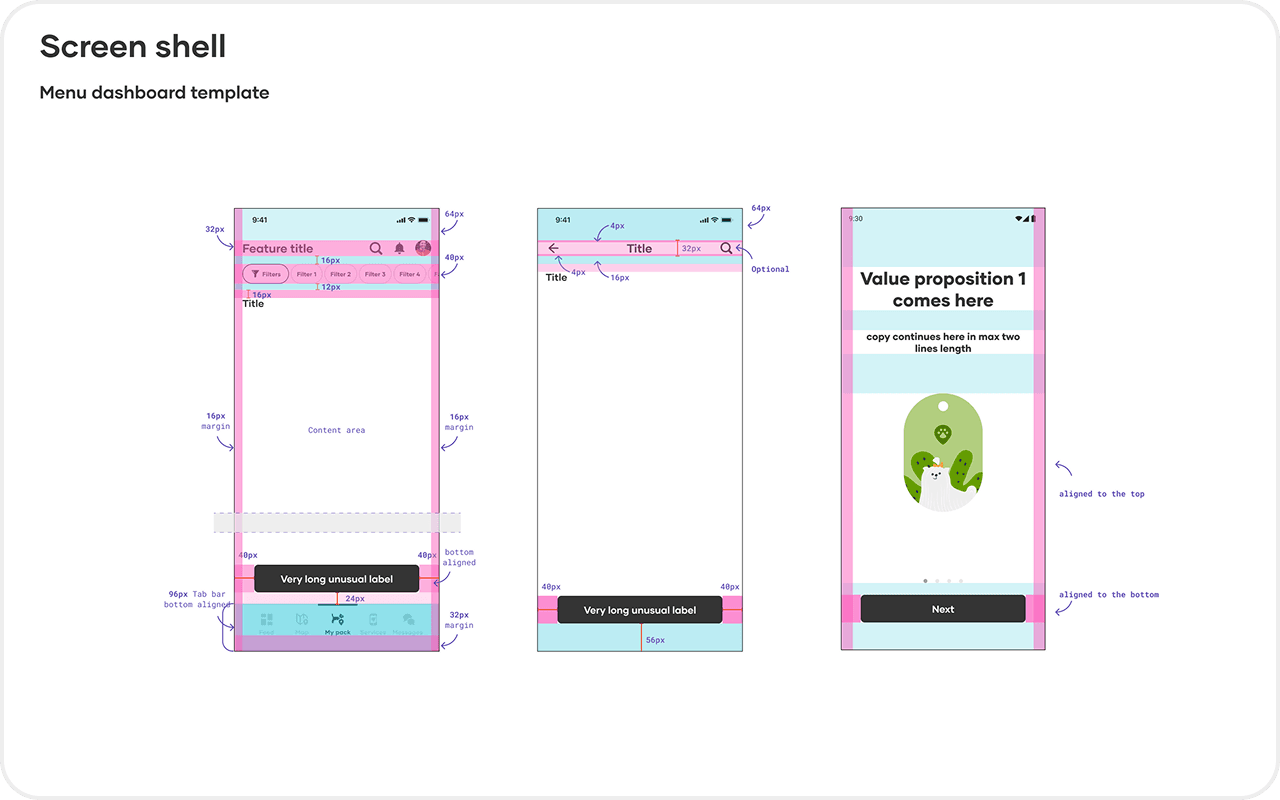
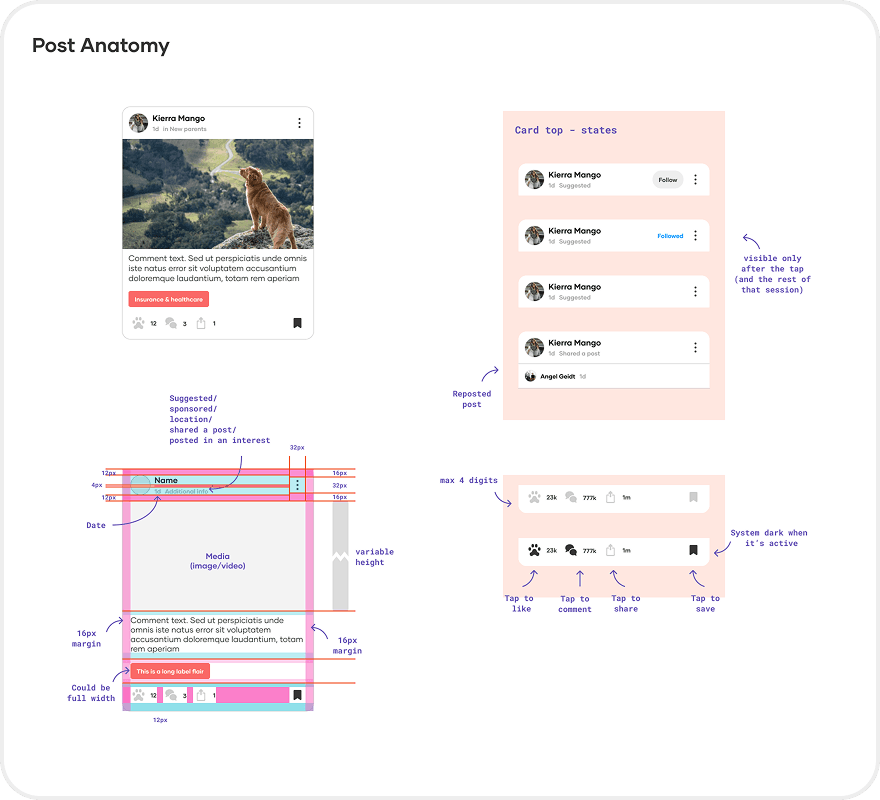
Hired the team, created our design system ("The Bone"), and validated flows through moderated user testing. Seeded 70+ communities with 1,000+ posts so the app wouldn't feel empty at launch.
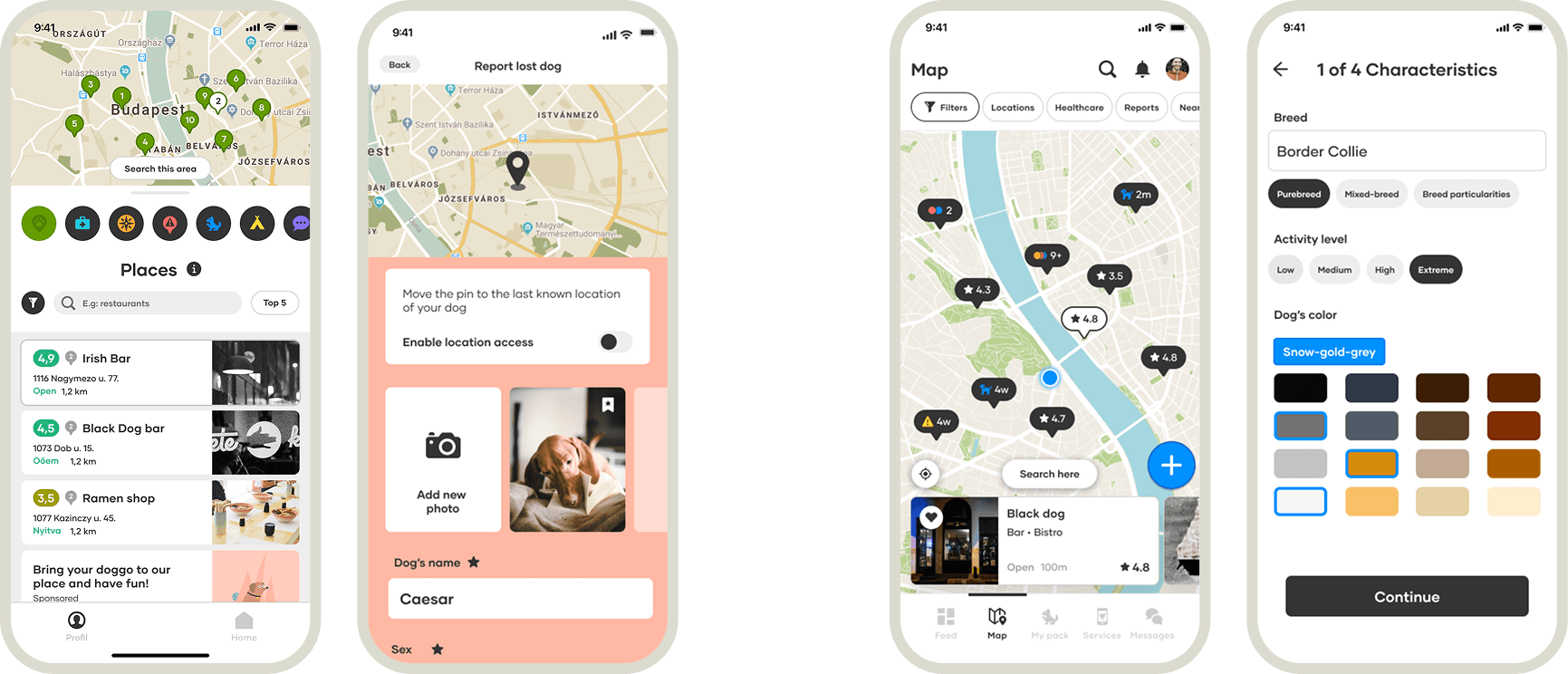
A before-after example with dog-friendly locations, and the lost-dog report screens
The Hard Truth
V2 never shipped
Not because of scope—the roadmap was achievable with the resources we'd agreed to. Two things killed us:
Funding dried up.
We'd structured investment around milestones. The final tranches never arrived, leaving us without runway to finish.
Co-founder breakdown.
Our engineer co-founder couldn't deliver a stable backend. Without reliable infrastructure, we couldn't release—no matter how polished the product layer was.
The hardest lesson:
a startup is only as strong as its weakest dependency.
Great design, validated product, eager users—none of it matters if you can't ship.
What I Learned
Three takeaways I carry forward
Brand is acquisition strategy
Our illustrative identity drove organic sharing that kept CAC under €0.50. In consumer, distinctive brand isn't decoration—it's a growth lever.
Retention signals product-market fit faster than growth
85%+ retention told us users wanted this to exist, even when the experience was rough. That's the signal worth chasing.
Dependencies kill startups
We had the right scope, the right team, validated demand. But funding issues with angels and a single point of failure on engineering meant we couldn't ship. Next time: more redundancy, harder co-founder vetting, shorter distance between "ready" and "released."
Read another case study
Brandwatch Mobile: From churn driver to strategic asset
Quantified $60K+ in lost revenue, built the case for consolidation
GAN + Spaghetti: From prompt friction to production workflow
Built a prompt tool in a sprint. Now shipping production designs through it.